Total Wellness, No Compromise

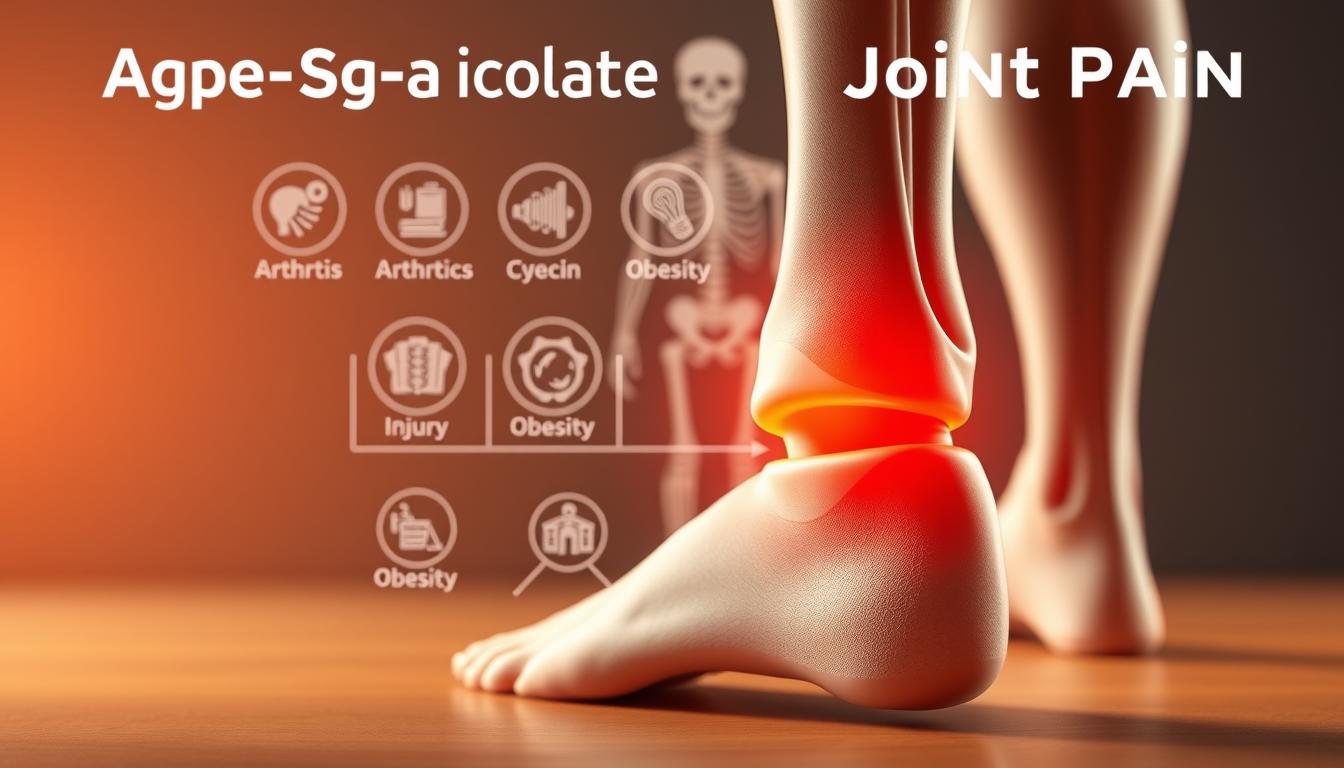
The Truth About Age-Related Joint Pain—And What You Can Do Naturally

Age-related joint pain is common as we get older. But, it doesn’t have to rule your life. Many people find relief through natural methods, avoiding just medication.
Studies reveal that gentle exercise, changing your diet, and using herbal remedies can help. Starting early can also prevent symptoms from getting worse.

Key Takeaways
- Age-related joint pain affects millions but can be managed through natural methods.
- Early intervention slows progression and improves quality of life.
- Inflammation reduction plays a key role in natural pain relief.
- Simple lifestyle changes like walking or stretching can make a big difference.
- Choosing holistic approaches aligns with modern health trends and safety concerns.
Understanding Age-Related Joint Pain
As we age, our bodies undergo changes that can lead to joint pain. This section delves into the causes, from biological changes to daily habits. Understanding these can help you take steps to ease the discomfort.
What is Age-Related Joint Pain?
Age-related joint pain comes from wear and tear on our joints. Over time, the cartilage between bones wears thin. This leads to stiffness and pain, especially in knees, hips, and hands. It’s not just a sign of aging; it’s a physical response to years of movement.
Common Causes and Risk Factors
Several factors contribute to joint pain causes:
- Aging: Reduced collagen weakens joint support.
- Weight: Extra pounds add pressure on knees and hips.
- Genetics: Family history can influence cartilage resilience.
- Activity: Repetitive motions or past injuries increase risk.
- Inactivity: Weak muscles strain joints over time.
Recognizing Early Symptoms
Early warning signs include:
- Morning stiffness lasting under 30 minutes.
- Pain after walking or climbing stairs.
- Swelling in joints that feels warm to the touch.
- Reduced flexibility, like difficulty bending or gripping objects.
Noticing these signs early can lead to timely action. Small changes today can prevent bigger problems tomorrow.
Natural Remedies for Joint Pain
Looking into natural remedies for joint pain is a gentle way to find relief. Many options work with your body to lessen swelling and pain. Here’s how to add them safely to your routine.
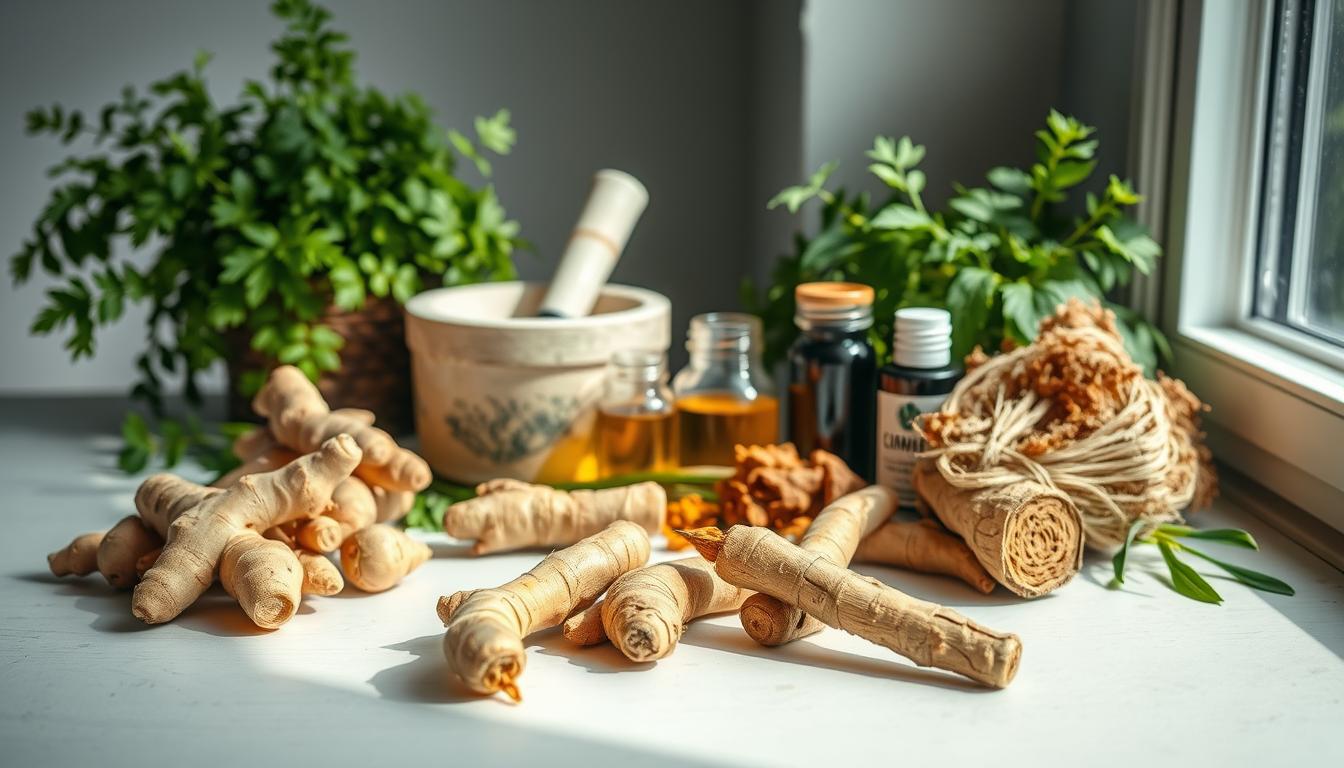
Herbal Supplements and Natural Anti-Inflammatories
Herbs like turmeric, ginger, and boswellia have compounds that fight inflammation. Curcumin in turmeric blocks enzymes that cause pain. Brands like Now Foods or Nature Made offer supplements with the right amount of curcumin.
Adding ginger capsules or tea to your routine can boost these benefits. This way, you avoid harsh chemicals.
Essential Oils and Their Benefits
Essential oils like lavender, peppermint, and eucalyptus can target pain relief. Applying diluted oils to sore joints can improve blood flow and reduce stiffness. doTERRA or Youngevity offer high-quality blends for topical use.
Remember to mix these oils with a carrier oil like coconut oil. This prevents skin irritation.
A 2020 study in the Journal of Alternative and Complementary Medicine found that 75% of participants saw reduced joint stiffness after using turmeric supplements daily.
- Turmeric (Curcumin): Blocks inflammatory enzymes.
- Ginger: Reduces prostaglandins linked to pain.
- Peppermint oil: Soothes muscles through topical application.
Always talk to a healthcare provider before starting new supplements. Using these remedies with heat therapy or gentle stretches can help the most.
Lifestyle Changes to Ease Aches
Small changes in our daily lives can greatly help with joint pain. By focusing on joint pain management techniques like improving posture and moving mindfully, we can naturally reduce joint strain.
- Posture Power: Sitting and standing straight can help ease pressure on hips, knees, and spine. Using ergonomic chairs or cushions can support better alignment.
- Move Mindfully: Short walks, yoga, or tai chi can improve flexibility. Even standing up every hour at work helps keep joints lubricated.
- Weight Matters: Losing just 10 pounds can reduce knee stress by 40%. Combining healthy eating with light exercise can lead to balanced results.
- Rest Smart: Changing positions while sleeping is important. Using pillows between knees or under ankles can help align hips and ankles overnight.
“Movement is medicine. Gentle routines like swimming or cycling protect joints while building strength.” – Arthritis Foundation
Every small choice we make can add up. Wearing supportive shoes, avoiding repetitive actions, and taking short breaks during tasks can all help reduce daily strain. These simple changes can turn our daily routines into proactive steps towards lasting comfort.
The Role of Diet in Managing Joint Pain
Diet is a powerful tool in the fight against joint pain. By choosing foods that reduce inflammation and boost nutrients, you can support your body’s natural healing processes. Here are simple joint pain diet tips to incorporate into daily meals:
Foods That Fight Inflammation
Focus on these staples to ease discomfort:
- Fatty fish (salmon, mackerel) rich in omega-3 fatty acids
- Leafy greens like spinach and kale for antioxidants
- Colorful berries (blueberries, strawberries) packed with anthocyanins
- Nuts such as walnuts and almonds for healthy fats
Vitamins and Nutritional Support
Key nutrients to prioritize:
- Vitamin D (found in sunlight and fortified milk) for bone strength
- Omega-3 supplements (like fish oil) to curb inflammation
- Magnesium-rich foods (quinoa, avocado) to reduce stiffness
“Food choices can be as impactful as medicine. Choose wisely, and let your plate work for your joints.”
Incorporate these joint pain diet tips gradually. Swap processed snacks for nutrient-dense options like Greek yogurt or cherry smoothies. Small changes can lead to big results over time.
Effective Exercise and Mobility Tips
Keeping up with joint pain exercise tips helps you stay active and feel better. Gentle exercises help build strength and flexibility without too much strain. Start with small steps and gradually build up your routine for lasting benefits.
Low-Impact Workouts
- Swimming or water aerobics use buoyancy to reduce joint stress.
- Stationary cycling strengthens legs with minimal knee strain.
- Walking on soft surfaces like grass or treadmills with proper footwear.
Stretching and Flexibility Routines
Do these stretches 3-4 times a week:
- Hamstring stretch: Sit with legs straight, reach toward toes (hold 20 seconds).
- Cat-cow stretch: On hands and knees, arch and flatten the back to ease spine stiffness.
- Neck rolls: Slow circular motions to relieve upper-body tension.
“Consistency matters more than intensity. Even 10 minutes daily can improve mobility.” – Dr. Sarah Mitchell, Movement Therapist
Remember to balance these joint pain exercise tips with rest days to avoid overdoing it. Talk to a physiotherapist to make routines that fit your needs. Taking small steps today can lead to big improvements in comfort and independence.
Integrative Approaches and Alternative Therapies
When traditional remedies aren’t enough, alternative therapies for joint pain offer new ways to find relief. These options focus on the body’s natural healing processes. They can work with other strategies like diet or exercise. Try these proven methods to address pain at its source.
Mind-Body Techniques
Mindfulness practices help calm the body and brain. Yoga and tai chi blend slow movements with breathwork to boost flexibility and reduce stiffness. Meditation lowers stress hormones, which often worsen pain signals. Research shows these methods cut pain intensity by up to 30% in chronic cases.
- Yoga: Poses like downward dog gently open hips and shoulders.
- Tai Chi: Flowing motions improve balance and joint mobility.
- Mindful breathing: Eases tension in muscles around sore joints.
Acupuncture and Massage Therapy
Acupuncture uses tiny needles to stimulate pain-relief pathways in the nervous system. Studies from the New England Journal of Medicine confirm its benefits for arthritis and osteoarthritis. Massage therapy, such as deep tissue or trigger point therapy, loosens tight muscles that pull on joints. Both therapies are safe when done by licensed professionals.
Pair these treatments with low-impact exercise and anti-inflammatory diets for lasting results. Always discuss options with your healthcare team first.
Holistic Strategies for Long-Term Joint Health
Keeping your joints healthy is a mix of daily habits and smart choices. Small steps every day can make a big difference. Start by making exercise, nutrition, and rest a part of your daily routine.
- Move daily: Walk, swim, or cycle for 30 minutes most days. Gentle motion keeps joints lubricated.
- Eat to support: Prioritize omega-3s from walnuts and salmon, plus leafy greens rich in vitamins K and C.
- Rest wisely: Sleep on a firm mattress to align joints. Use pillows between knees to reduce hip strain.
- Track progress: Journal pain levels or energy after workouts. Adjust activities as needed.
Regular check-ins with a physical therapist or doctor are key. They help your plan stay on track as life changes. Making small changes now can lead to big benefits later. Remember, every choice you make today helps your joints stay healthy for tomorrow.
Conclusion
Dealing with joint pain as we age starts with knowing what to do. But the real change comes from taking action. We’ve talked about herbal remedies and mindful movement. These can help without needing pills.
Small steps, like adding turmeric to your food or trying yoga, can make a big difference. They can help ease pain and improve how well you move.
Preventing joint pain is best when you eat right and stay active. Eating foods like salmon or walnuts can help because they fight inflammation. Low-impact exercises, like swimming or walking, also protect your joints.
Adding stress-reducing activities, like meditation, can also help. Studies show it can make you feel less pain.
Every little bit helps. Try out the tips from this article, but always talk to a doctor first. Taking care of your joints now means you can stay active later. Making healthy choices consistently is key. Your joints will appreciate it.
FAQ
What are the symptoms of age-related joint pain?
Symptoms include stiffness and swelling in the joints. You might also feel warmth and a decrease in range of motion. Tenderness and a grating feeling when moving the joint are common too.
How can I manage age-related joint pain naturally?
Natural ways to manage joint pain include using herbal supplements like turmeric and ginger. Essential oils like peppermint and eucalyptus can also help. Low-impact exercises and an anti-inflammatory diet are beneficial.
Is it safe to exercise with joint pain?
Yes, exercising can help with joint pain. Low-impact activities like swimming and cycling are good. Always talk to a healthcare provider before starting any exercise plan.
What lifestyle changes can reduce joint pain?
To reduce joint pain, maintain a healthy weight and practice good posture. Regular gentle exercise and stress-reducing activities like yoga are also helpful.
Are there specific foods that can help with joint inflammation?
Yes! Foods like salmon, colorful fruits and vegetables, nuts, and whole grains can fight inflammation. They support joint health.
How do mind-body techniques help with joint pain?
Mind-body techniques like meditation and yoga can manage pain. They reduce stress, enhance relaxation, and improve emotional well-being. This can make pain feel less intense.
What role does hydration play in joint health?
Hydration is key for joint health. Drinking water keeps joints lubricated and cushioned. It helps maintain synovial fluid levels, potentially reducing pain and stiffness.
Can massage therapy provide relief for joint pain?
Absolutely! Massage therapy improves circulation, reduces muscle tension, and promotes relaxation. It can help alleviate pain and improve joint mobility.
How can I develop a long-term plan for joint health?
A long-term plan should include regular exercise, a balanced diet, and natural remedies. Integrative therapies can also be part of it. Consulting a healthcare professional can help create a personalized plan.